Archives
-
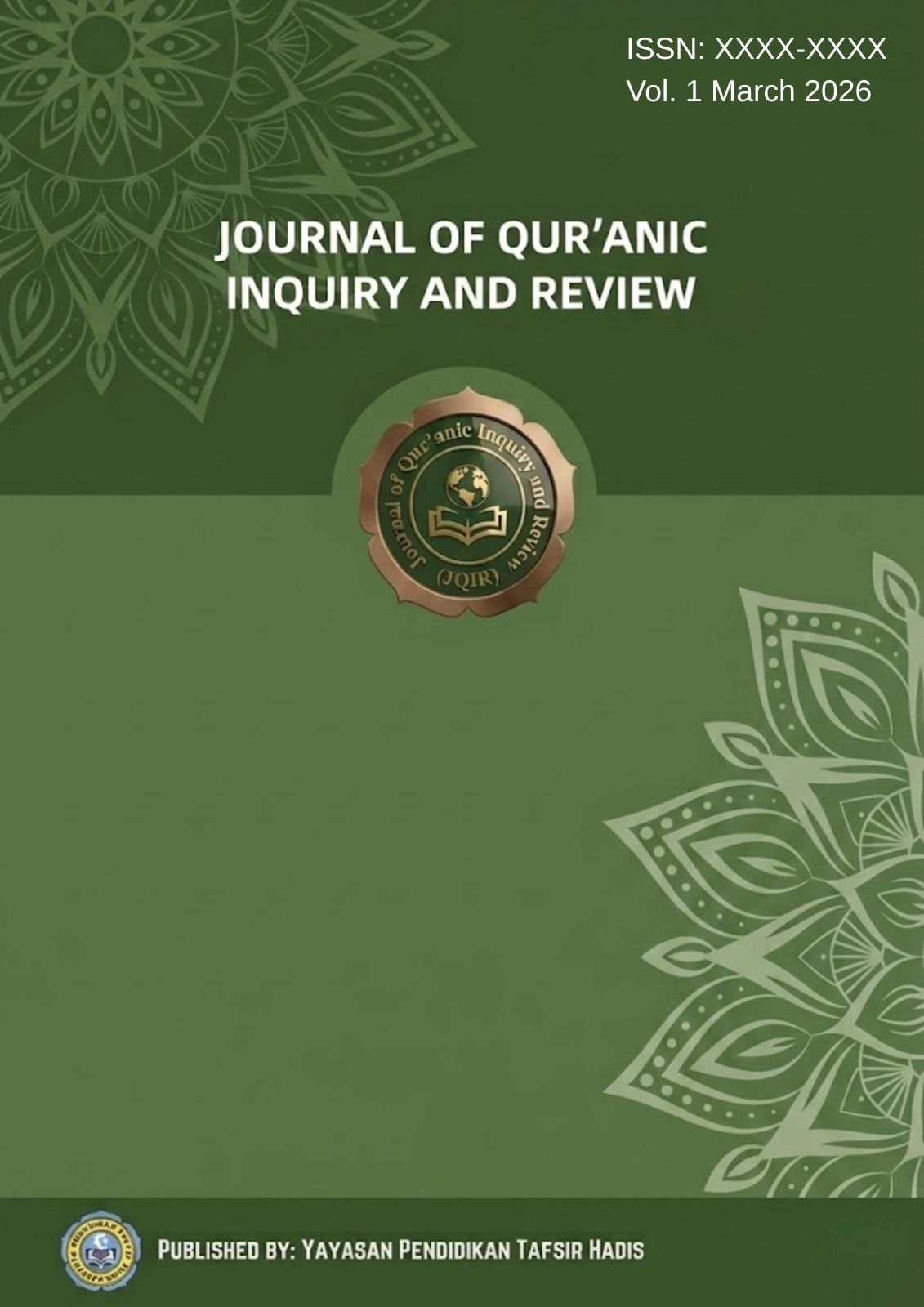
March
Vol. 1 No. 1 (2026)Volume 1 Issue 1 of the Journal of Qur’anic Inquiry and Review presents a collection of innovative scholarly studies that demonstrate the dynamic engagement of contemporary Qur’anic research with social, environmental, geopolitical, historical, and methodological issues. The articles in this inaugural issue reflect the journal’s commitment to fostering critical inquiry, interdisciplinary dialogue, and methodological advancement within Qur’anic studies. Collectively, the articles in this issue illustrate the expanding horizons of contemporary Qur’anic studies and demonstrate how the Qur’an continues to serve as a source of intellectual engagement for addressing present-day challenges. By integrating classical scholarship with modern analytical perspectives, this volume contributes to the ongoing development of Qur’anic inquiry in both academic and practical contexts.
Author Country Coverage
This issue features contributions from authors representing diverse academic and geographical contexts across the Muslim world, including Malaysia and Indonesia. This international representation enriches the journal’s scholarly dialogue and reflects the global scope of contemporary Qur’anic research.
-
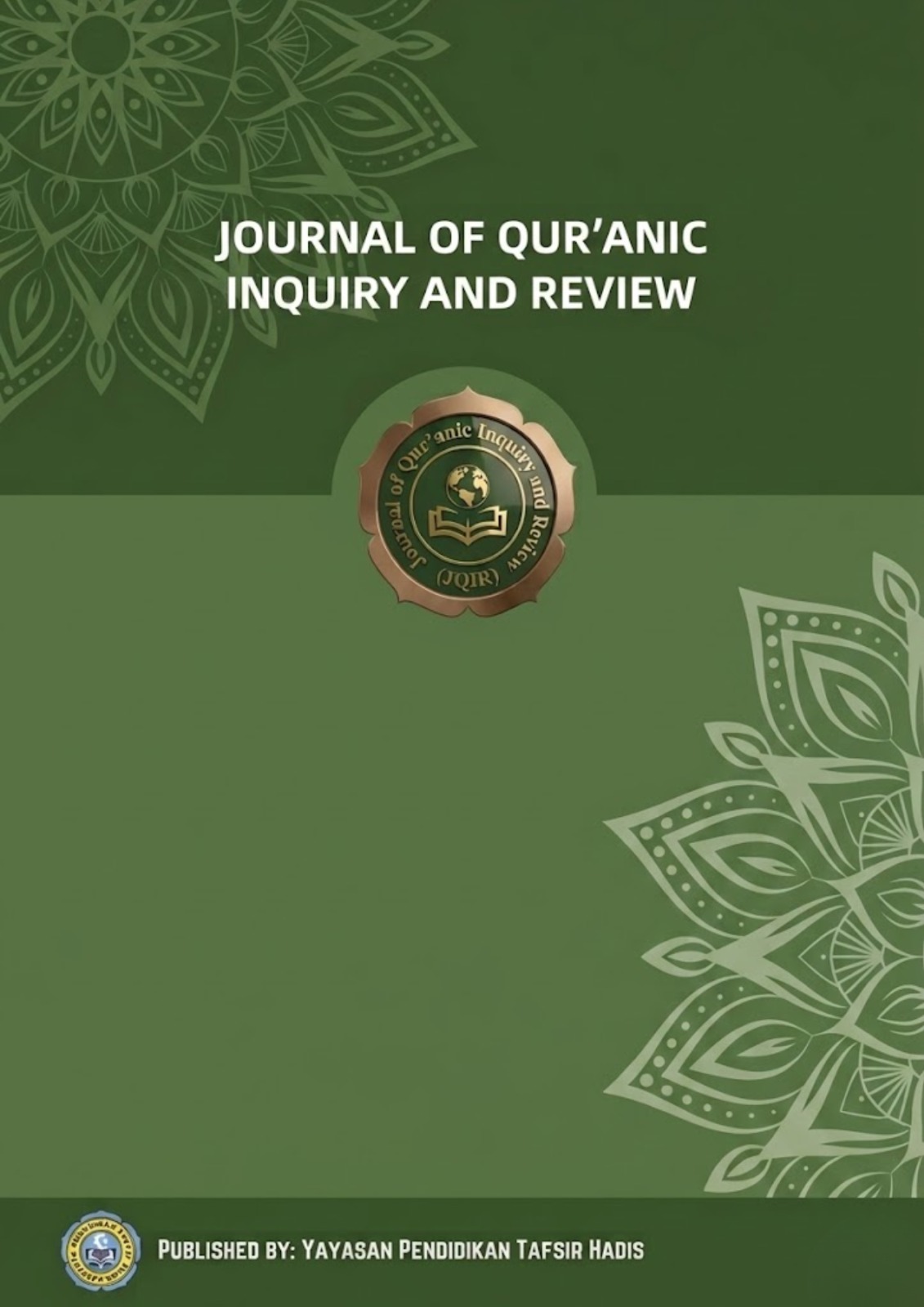
June
Vol. 1 No. 2 (2026)Volume 1, Number 2 (June 2026) of the Journal of Qur’anic Inquiry and Review presents six scholarly articles that reflect the growing diversity of contemporary Qur'anic studies by engaging hermeneutical, sociological, literary, digital, and ethical approaches. This issue highlights the dynamic interaction between the Qur'an and contemporary social realities, demonstrating how classical Islamic scholarship continues to evolve in response to modern intellectual, technological, and societal challenges. Collectively, the articles in this issue contribute to the advancement of interdisciplinary Qur'anic studies by integrating textual analysis with social sciences, literary criticism, digital media studies, and applied ethics. They reaffirm the journal's commitment to publishing innovative, critical, and globally relevant scholarship that expands the horizons of contemporary Qur'anic inquiry.